How Much Does a New Roof Cost? 2024 Homeowner Guide
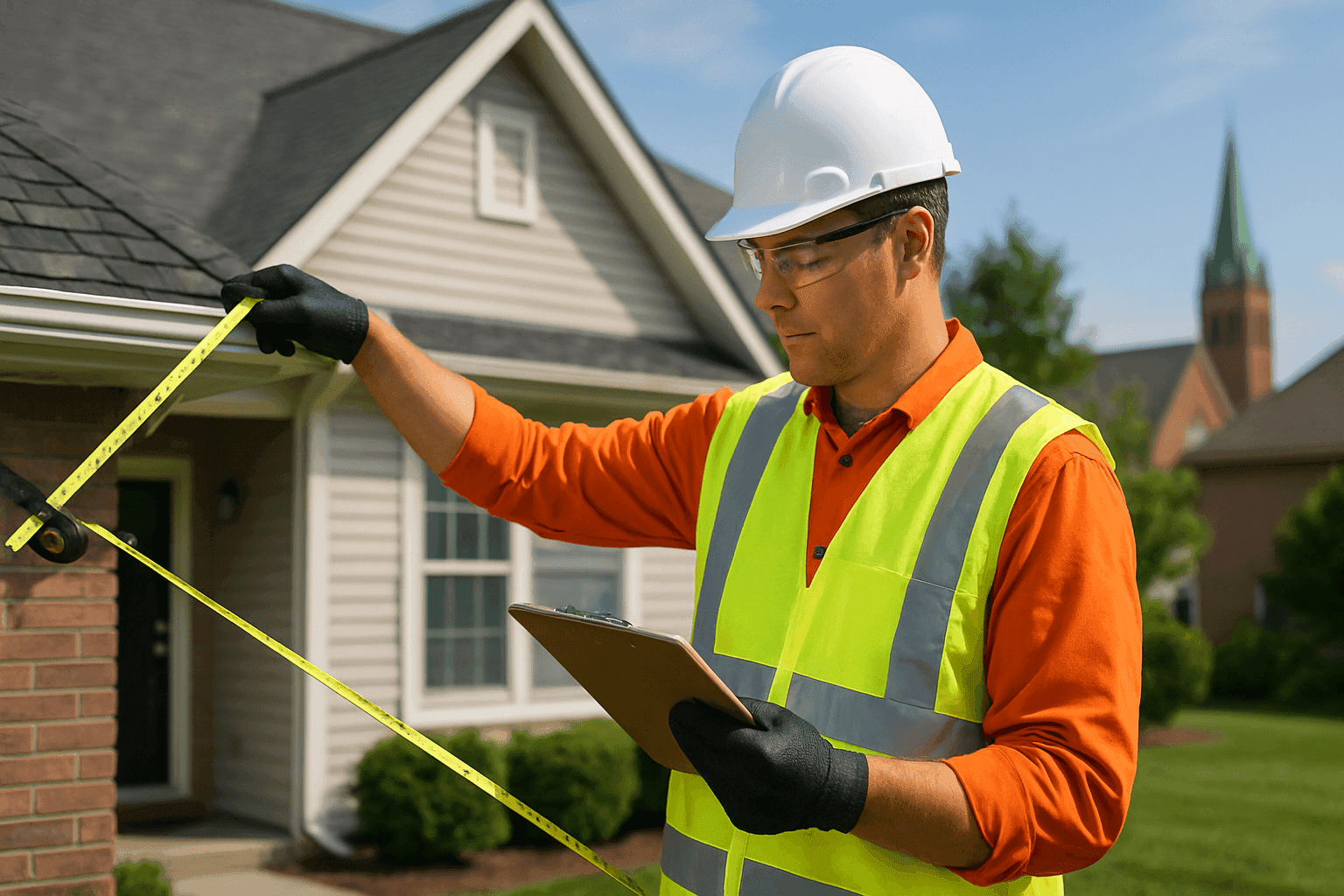
Every homeowner wonders: “How much does a new roof really cost?” Maybe your shingles are curling. Maybe a storm just sent water dripping into your living room at 2 a.m. Or perhaps you’re planning ahead—hoping to avoid any nail-biting emergencies. Whatever brings you here, Astute Roofing has walked this path with thousands of families just like yours.
Roof costs can feel like a mystery. But with the right information, you can replace anxiety with confidence. Here’s your 2024 guide—plain talk, real numbers, and the peace of mind that comes from understanding what’s ahead.
Average Roof Replacement Costs by Material 🏠
The cost of a new roof depends on the materials you choose—like picking out new shoes, but a bit more serious. Here’s what you need to know:
- Asphalt Shingles: The most common pick for homes, asphalt shingles are durable and cost-effective. In 2024, the national average is $5,500–$11,000 for a standard 2,000 sq. ft. roof. They’re like the trusty sneakers of the roofing world.
- Metal Roofing: Sleek, tough, and energy-efficient. Expect $10,000–$20,000 for the same size. While metal costs more upfront, it outlasts most options and shrugs off hail and fire.
- Tile Roofs: Clay or concrete tiles offer timeless style and serious longevity. These typically run $15,000–$30,000—think of them as the designer boots for your home. They’re heavy, so your structure must be ready.
- Flat Roofs: Used for modern homes or additions, flat roofs (often with rubber, TPO, or modified bitumen) generally cost $8,000–$16,000. Drainage and waterproofing are key here.
- Eco-Friendly Options: Solar shingles and green roofs are trending. Expect $18,000–$40,000 or more, but these may lower energy bills and boost your home’s value.
Regional variations matter. In colder regions, labor costs tend to be higher. Coastal areas may require extra weatherproofing. And if you’re in an area with frequent storms, insurance codes may affect what materials and installation methods are allowed. Always check local building codes and ask your roofer what’s typical for “Ventilation & Insulation near you.”
Factors Influencing Roof Cost
No two roofs are twins. Even neighbors can see wildly different estimates. Why?
- Roof Size: Simple math—bigger roof, higher cost.
- Pitch: Steep roofs are harder (and riskier) to work on, so labor rates go up.
- Complexity: Multiple chimneys, skylights, valleys, and dormers add time and materials.
- Old Roof Removal: Tearing off existing shingles or layers costs extra, especially if there’s hidden damage.
- Underlayment: Quality matters. Upgrading to ice-and-water shield or synthetic felt adds peace of mind—and a little to the bill.
- Permits & Inspections: Local codes may require permits, which vary in price. Passing inspections is non-negotiable for safety and resale.
It’s like assembling a puzzle—each piece changes the final picture.
Hidden Costs and Budgeting
Budgeting for a roof isn’t just about shingles and nails. Here’s what often catches homeowners off guard:
- Decking Repairs: If the wood beneath your shingles is rotted or damaged, it must be replaced. This is sometimes only visible once the old roof is removed.
- Flashing: Metal flashing around chimneys, skylights, and valleys keeps water out. Replacing or repairing it is crucial.
- Ventilation: Good attic ventilation (ridge vents, soffit vents) prevents mold and extends roof life.
- Clean-Up: Hauling away old roofing materials, nails, and debris takes time and resources.
- Gutters & Downspouts: If your gutters are sagging or leaking, it’s wise to bundle repairs or replacement with your new roof.
A realistic budget includes a “rainy day fund” for surprises—just like any major home project.
How to Get an Accurate Estimate
A handshake and a guess won’t cut it. Here’s how to get a real answer:
- Start with a Professional Inspection: An experienced inspector checks not just the shingles, but the decking, attic, ventilation, and flashing. This uncovers hidden problems and prevents surprise charges.
- What’s Included in the Quote: Make sure your quote covers labor, materials, tear-off, disposal, permits, and any extras (like gutter or skylight work).
- Ask About Warranties: Quality labor and materials should be backed by clear warranties. Read before you sign.
At Astute Roofing, our process is transparent. We walk you through every detail—no guesswork, no pressure. Need help planning? We offer links to reputable financing options, so you can spread out payments without sacrificing quality.
Pricing Examples (2024 Estimates)
Here’s how things typically break down for a 2,000 sq. ft. home:
- Basic Asphalt (3-tab): $5,500–$8,500 installed
- Architectural Asphalt: $7,500–$12,000 installed
- Metal Roofing: $10,000–$20,000 installed
- Clay/Concrete Tile: $15,000–$30,000 installed
- Flat/TPO/Rubber: $8,000–$16,000 installed
Note: These are national averages—your final cost may vary. Always get a detailed, written quote for your home.
Practical Tips for Homeowners
- Always ask for a line-item estimate. This shows exactly where your money is going.
- Check for required permits and local codes. The International Residential Code (IRC) and local authorities set safety standards.
- Bundle related work. Need gutter repair or insulation? It’s often cheaper to combine services.
- Don’t delay repairs. Small leaks become big problems fast—emergency roofing services can save your home from costly water and mold damage.
Recent Homeowner Experiences
“After a major hailstorm, Astute Roofing gave us a clear, honest quote and walked us through every step. The crew was on time, left our yard spotless, and the new roof looks fantastic!” — Jenna H., Homeowner
“We had no idea our attic needed better ventilation. Astute’s inspection caught it before it caused bigger headaches. Worth every penny.” — Mark R., Homeowner
FAQ
How long does a new roof last?
Most asphalt roofs last 15–25 years; metal and tile can last 40–50 years or more with good maintenance.
Can I finance my roof replacement?
Yes, many homeowners use financing options for major projects. Astute can connect you with reputable lenders.
What’s the best time of year to replace a roof?
Spring and fall offer mild weather. But emergency roofing teams work year-round—even in winter—if your home is at risk.
Is roof replacement noisy or disruptive?
Replacing a roof is noisy and can disrupt your daily routine for a few days. Plan for pets, kids, and work-from-home needs.
Local & Seasonal Considerations
Living in a region with harsh winters or hurricane season? Timing matters. Schedule your roof work when storms are less likely. In cold climates, frozen shingles or underlayment can delay installation. High summer heat can also make roofing dangerous for crews. Always ask your contractor about the best window for your area.
Ready to Take the Next Step?
New roof costs aren’t a mystery when you have the right partner. Astute Roofing brings clarity, honesty, and decades of hands-on experience to every project. Whether it’s a leak, a storm, or just time for an upgrade, we’re here to answer your questions—day or night.
Call Astute Roofing now — or reach us anytime at 888-805-2558 .