Comprehensive Guide to Roof Ventilation: Benefits, Types, and Maintenance
Is your attic stifling in summer or freezing in winter? Ever noticed strange smells, mold, or peeling paint near your ceiling? These are signs your roof might be gasping for air.
Roof ventilation is often overlooked—until trouble strikes. At Astute Roofing, we’ve seen it all. From warped shingles to runaway energy bills, poor airflow can turn a safe home or business into a headache zone. Let’s break down what you need to know, so your roof can breathe easy and last longer.
Why Roof Ventilation Matters 🏠
Imagine your home or small business as a living, breathing body. Without proper airflow, it overheats, sweats, and struggles. Roof ventilation acts like lungs for your building, pulling in fresh air and pushing out stale, damp air.
Here’s why it matters:
- Temperature Control: Without ventilation, attics turn into ovens in summer and iceboxes in winter. This stresses insulation and HVAC systems, driving up costs.
- Moisture Management: Everyday activities—showers, cooking, laundry—release moisture. Without a way out, moisture lingers, inviting mold and rot.
- Roof Longevity: Excess heat and moisture warp shingles, rust nails, and rot decking. A well-ventilated roof can last years longer.
- Energy Efficiency: Proper airflow means your heating and cooling systems work less. That means lower bills and a lighter environmental footprint.
- Building Codes: Many modern codes require minimum ventilation rates. The International Residential Code (IRC), for instance, sets standards for vent area per square footage.
Ignoring ventilation is like ignoring a warning light on your dashboard. Sooner or later, something’s going to break.
Types of Roof Ventilation
Not all roofs are created equal. The right ventilation system depends on your roof’s shape, your climate, and your building’s needs. Here’s a look at the most common types:
Ridge Vents
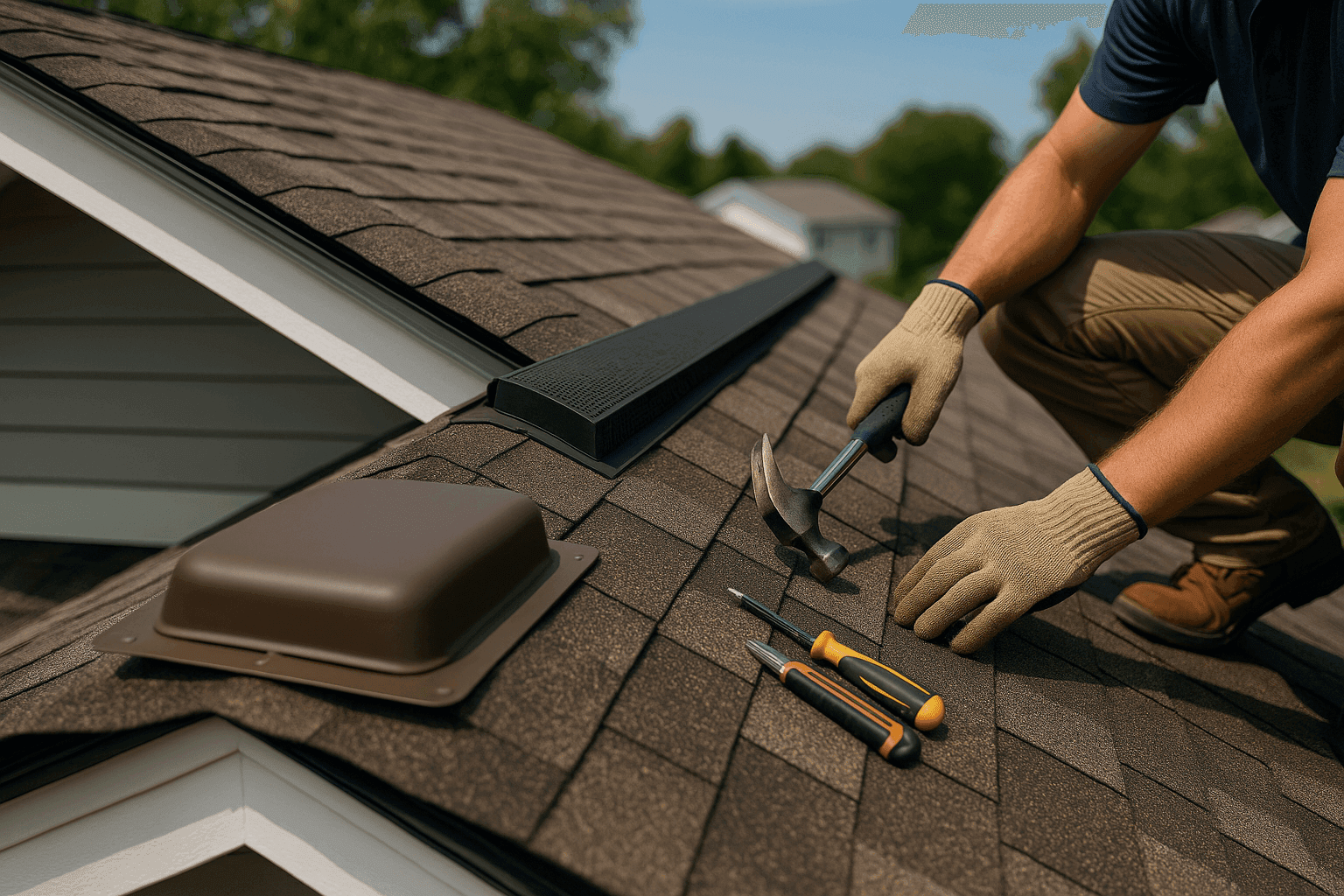
These run along the peak of your roof, blending in with the shingles. Ridge vents let hot air escape evenly along the highest point. They’re nearly invisible and require little maintenance. Best for: homes with long rooflines and plenty of attic space.
Soffit Vents
Located under the eaves, soffit vents draw in cool, fresh air from outside. Think of them as the intake valves of your ventilation system. When paired with ridge vents, they create a powerful flow—cool air in, hot air out.
Gable Vents
Installed on the walls at each end of the attic, gable vents can be decorative and functional. They allow air to flow sideways through the attic. Ideal for homes with gable-style roofs.
Powered Vents
These use electric or solar-powered fans to force air movement. They’re helpful when natural airflow isn’t enough, or in unusually shaped roofs. However, they require regular checks to ensure the fans work properly.
Other Options
- Turbine Vents: Wind-powered, spinning vents that pull air out as they rotate.
- Cupola Vents: Decorative, often used on barns or certain architectural styles.
- Box Vents: Static, low-profile vents installed near the roof ridge.
Each type has pros and cons. The best systems often combine several vent types for balanced airflow.
Maintenance Tips for Optimal Ventilation
Ventilation isn’t a “set it and forget it” deal. Like any part of your roof, vents need a little TLC to stay effective.
Seasonal Checks
- Spring: Look for signs of winter damage—cracked vents, blocked soffits, or animal nests.
- Fall: Clear leaves, twigs, and debris from all vent openings. Check for water stains or mold inside the attic.
- After Storms: Inspect for bent, broken, or missing vents. Water intrusion around vents is a red flag.
What to Watch For
- Musty Smells: A stale attic is a warning sign.
- Peeling Paint or Damp Spots: Especially near ceilings or around attic openings.
- Excessive Heat or Cold: If your upper floors are always too hot or cold, airflow may be blocked.
- Visible Mold or Rust: In the attic or on vent covers.
Simple Maintenance Steps
- Keep soffit and ridge vents clear of insulation, dust, and debris.
- Replace damaged screens to keep out pests.
- Check powered vents for working motors and clean blades.
- Use a flashlight to spot blockages from inside the attic.
Regular maintenance can be the difference between a healthy roof and a costly emergency roofing call.
Energy Efficiency and Ventilation
A well-ventilated roof is like a cool drink on a hot day—it makes everything easier. Here’s how proper ventilation boosts energy efficiency:
- Reduces HVAC Load: By keeping attic temperatures stable, your heating and cooling systems don’t have to work overtime.
- Protects Insulation: Dry insulation works better. Wet insulation loses its R-value, letting heat escape in winter and invade in summer.
- Eco-Friendly Choices: Many modern ventilation systems use recycled materials or solar-powered fans. Pairing good ventilation with green roofing options can shrink your carbon footprint.
The U.S. Department of Energy recommends attic ventilation as a key step toward energy-efficient homes and businesses. It’s a small investment that pays off in comfort and savings.
Signs of Poor Ventilation
How do you know if your roof is struggling to breathe? Watch for these clues:
- Ice Dams: In winter, warm air trapped in the attic melts snow on the roof, which refreezes at the edges.
- Condensation: Water droplets on rafters, nails, or insulation.
- Warped Shingles: Heat and moisture can curl or crack roofing materials.
- Frequent Repairs: If you’re always patching leaks or replacing shingles, airflow might be the root issue.
If you notice these issues, it’s time for a professional inspection.
Maintenance Tips for Year-Round Performance
- Inspect Vents After Major Weather Events: High winds and hail can damage vent covers.
- Clear Out Debris Regularly: Leaves, nests, and even windblown trash can block airflow.
- Monitor Attic Humidity: Hygrometers are affordable and can alert you to rising moisture.
- Trim Nearby Trees: Overhanging branches drop leaves and can block vents.
A little attention goes a long way. Preventative maintenance can keep emergency roofing calls to a minimum.
Professional Inspections: When to Call Astute Roofing
Some ventilation issues are obvious. Others hide until they cause big problems. A professional eye can spot trouble before it turns costly.
Astute Roofing’s team uses industry-standard checklists and follows safety guidelines from organizations like the National Roofing Contractors Association (NRCA). We look for:
- Blocked or missing vents
- Mold or rot in hidden corners
- Signs of animal intrusion
- Structural issues affecting airflow
An annual inspection is a smart move. It’s like a check-up for your roof’s health.
Frequently Asked Questions
How much ventilation does my roof need?
Building codes usually require 1 square foot of vent area for every 150 square feet of attic space. However, the right amount depends on your roof’s design and insulation. A professional can calculate the ideal setup.
Can I add more vents myself?
Some vent types, like soffit or box vents, can be added if you’re handy and comfortable on a ladder. But mistakes can lead to leaks or uneven airflow. When in doubt, call a pro.
Will better ventilation lower my energy bills?
Absolutely. Proper ventilation keeps attic temperatures stable, which means your HVAC system runs less often. Over time, this can add up to significant savings.
What happens if I ignore ventilation problems?
You risk mold, rot, higher energy bills, and even structural damage. Catching problems early is always cheaper than emergency roofing repairs.
Special Considerations for Homeowners and Small Business Owners
- Flat Roofs: These often need specialized vents to prevent ponding water and trapped heat.
- Metal and Tile Roofs: Different materials expand and contract at different rates. Proper airflow prevents premature wear.
- Commercial Buildings: Larger spaces may need powered systems or custom vent layouts for effective airflow.
- Skylights and Chimneys: These features can disrupt airflow patterns. Regular checks ensure they don’t become weak spots.
Every building is unique. The right solution balances airflow, energy use, and long-term durability.
Ready to Breathe Easy?
Proper roof ventilation protects your comfort, your investment, and your peace of mind. Whether you’re seeing warning signs or just want a routine check, Astute Roofing is here to help—day or night.
Call Astute Roofing now — or reach us anytime at 888-805-2558 .