How to Choose the Right Roof Insulation for Energy Savings
Is your house chilly in winter and stuffy in summer? Do you dread the spike in your energy bill every season? You’re not alone. Many homeowners and small business owners feel the pinch, especially when insulation isn’t up to par.
At Astute Roofing, we know that the right roof insulation is more than just a comfort upgrade—it’s a shield for your wallet and your building. Let’s walk through how smart insulation choices can mean real savings and peace of mind, even when emergency roofing needs strike.
Why Roof Insulation Matters for Energy Savings
Think of your building like a thermos. The better it’s insulated, the longer it keeps hot things hot and cold things cold. Roof insulation acts as that protective layer, keeping outdoor temperatures where they belong—outside.
Without proper insulation, heat escapes in winter and sneaks in during summer. Your HVAC system works overtime, and you pay the price. According to the U.S. Department of Energy, proper insulation can reduce heating and cooling costs by up to 20%. That’s money you could be spending elsewhere.
But the benefits go beyond savings:
- More consistent indoor comfort
- Reduced strain on heating and cooling systems
- Lower carbon footprint with eco-friendly options
- Added property value and protection
Common Types of Roof Insulation Materials 🏠
Not all insulation is created equal. Here’s a rundown of the most popular options, with their strengths and weaknesses.
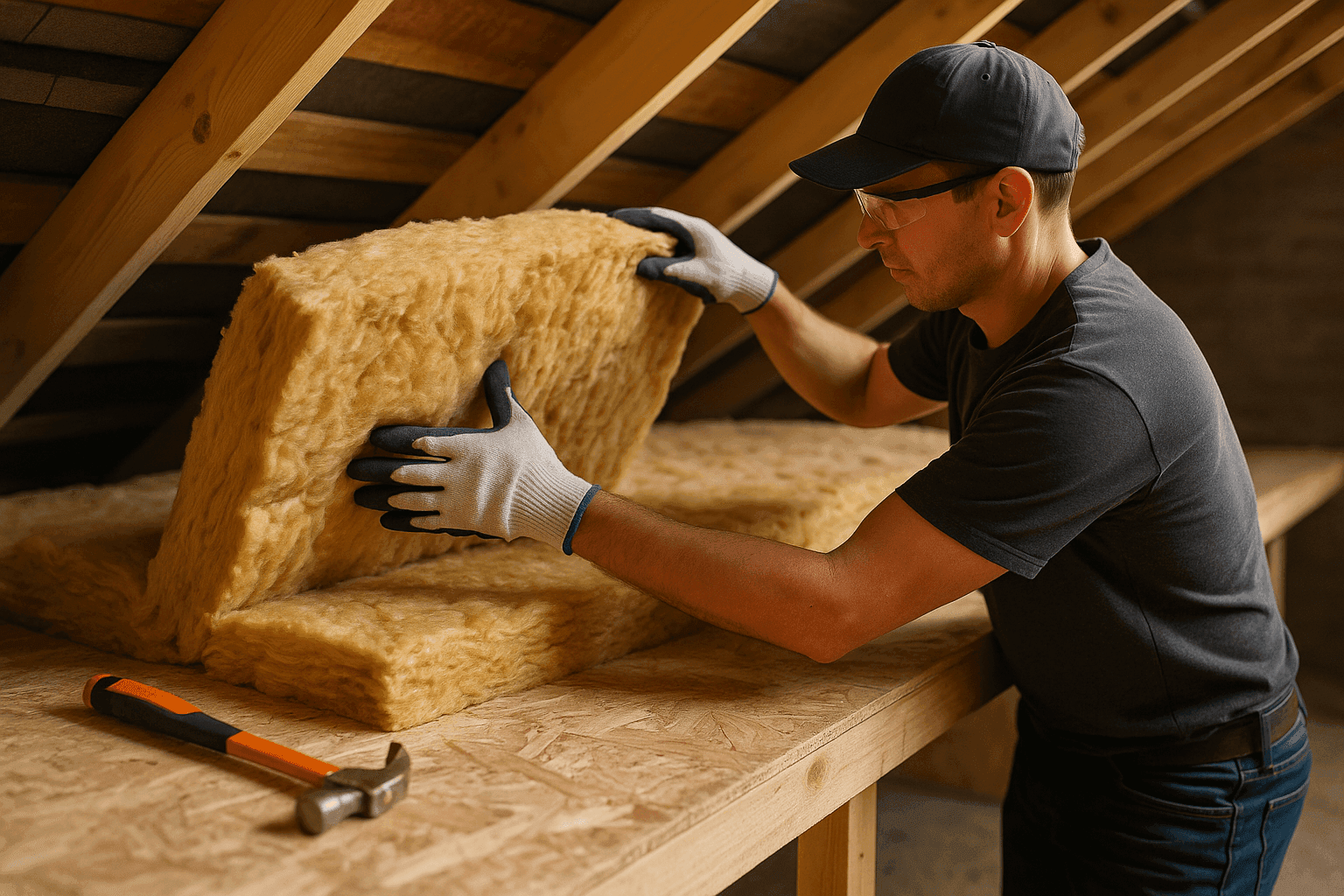
Fiberglass Batts
- Pros: Affordable, widely available, fire-resistant.
- Cons: Can leave gaps if not installed correctly, loses effectiveness when wet.
- Best for: Attics with standard joist spacing and few obstructions.
Spray Foam
- Pros: Excellent air sealing, high R-value per inch, expands to fill gaps.
- Cons: Higher upfront cost, requires professional installation.
- Best for: Hard-to-reach areas, irregular spaces, or when maximum efficiency is the goal.
Rigid Foam Boards
- Pros: High insulating value, moisture-resistant, durable.
- Cons: Can be tricky to fit around obstructions, more expensive than batts.
- Best for: Flat roofs, exterior insulation upgrades.
Cellulose
- Pros: Made from recycled materials, good coverage, cost-effective.
- Cons: Can settle over time, absorbs moisture.
- Best for: Attics and walls, especially where eco-friendly is a priority.
Mineral Wool
- Pros: Fire-resistant, resists mold, good soundproofing.
- Cons: Heavier, can be more expensive.
- Best for: Areas needing extra fire or sound protection.
How to Evaluate Your Current Insulation
Wondering if your insulation is doing its job? Here’s what to look for:
- Drafts or cold spots: These signal gaps or thin spots.
- Uneven temperatures: Rooms that heat or cool at different rates.
- High energy bills: Rising costs can mean escaping heat or cool air.
- Visible damage: Water stains, mold, or compressed insulation are red flags.
- Age: Insulation over 15–20 years old may be underperforming.
A professional inspection can reveal hidden issues, especially after storms or roof leaks. Building codes and energy standards (like those from the International Energy Conservation Code) offer guidelines on recommended insulation levels—check these for your building type and climate.
Quick Safety Checklist Before Insulation Work
Before you start poking around the attic or crawl space, keep safety front and center:
- Wear gloves, goggles, and a dust mask
- Watch for exposed nails, wiring, or pests
- Check for signs of water damage or mold
- Use sturdy ladders and walk on joists, not insulation
- Know where electrical and HVAC components are located
If you spot anything unusual—like sagging, wet spots, or chewed insulation—pause and get a professional opinion.
DIY vs. Call a Pro: What’s Best for Roof Insulation?
Some insulation jobs seem simple—just roll out the batts, right? Not always.
DIY might work if:
- The attic is easy to access
- No signs of water damage or pests
- You’re using pre-cut fiberglass batts
But professional installation is often safer and more effective, especially for:
- Spray foam or rigid foam
- Irregular or tight spaces
- Roofs with complex ventilation needs
- Emergency roofing situations after leaks or storms
A pro knows how to avoid common pitfalls, like blocking attic vents or compressing insulation, which can cut its effectiveness in half.
What Pros Do On Arrival
When Astute Roofing arrives, we don’t just toss in some insulation and call it a day. Here’s what you can expect:
- Thorough inspection: We check for leaks, mold, and ventilation issues.
- Moisture assessment: Wet insulation is replaced, not covered up.
- Material recommendations: Based on your building, climate, and budget.
- Proper installation: Ensuring full coverage without blocking airflow.
- Code compliance: Meeting or exceeding current building and fire safety standards.
We also look at related elements—like roof flashing, skylights, and downspouts—to make sure insulation upgrades don’t hide bigger problems.
Preventative Maintenance and Upkeep
Insulation isn’t a “set it and forget it” upgrade. Keep it working its best with these tips:
- Check after storms: Water intrusion can ruin insulation fast.
- Look for signs of pests: Rodents love to nest in cozy attics.
- Schedule regular inspections: Every few years, or after major weather events.
- Keep vents clear: Blocked vents can lead to moisture buildup and mold.
A little attention now prevents big headaches—and emergency roofing calls—later.
Costs & Time Factors: What to Expect
Insulation costs vary, but a few factors play the biggest roles:
- Type of material: Spray foam costs more than fiberglass, but may pay off in energy savings.
- Size and accessibility: Large or hard-to-reach attics take more time and labor.
- Existing conditions: Wet or damaged insulation must be removed first.
Typical jobs range from a few hours for simple attic upgrades to a couple of days for complex or commercial projects. While upfront costs can be a hurdle, the energy savings usually repay the investment over time.
When It’s an Emergency
Sometimes insulation can’t wait. Storms, leaks, or sudden temperature swings can turn minor issues into urgent ones. Emergency roofing services may be needed if:
- You notice water pouring in or pooling after heavy rain
- There’s a sudden drop in indoor temperature despite running the heat
- Mold or mildew appears overnight
Quick action limits damage and protects your property. Don’t wait—call for help if you suspect insulation has been compromised.
FAQ: Roof Insulation and Energy Savings
How do I know if my insulation is up to code? Check with your local building department or review the latest International Energy Conservation Code guidelines for recommended R-values and installation practices.
Can I add new insulation over old? If the existing insulation is dry and free from mold, yes. Wet or damaged insulation should be removed first to avoid trapping moisture.
Will better insulation really lower my energy bills? In most cases, yes. The U.S. Department of Energy reports savings of 10–20% on heating and cooling with proper insulation.
Is there an eco-friendly insulation option? Absolutely. Cellulose and some mineral wool products use recycled materials and have lower environmental impacts.
Special Considerations for Roof Insulation
Every building is different. Here’s what to keep in mind:
- Climate matters: Hot, humid areas need insulation that resists moisture and mold.
- Ventilation is key: Without it, even the best insulation can lead to condensation and roof rot.
- Roof type: Flat roofs, metal roofs, and tile roofs may need specialized insulation approaches.
- Fire safety: Some materials add extra protection in wildfire-prone areas.
Always consult with a professional who understands these nuances—especially if your building has unique features or past storm damage.
Choosing the right roof insulation isn’t just about comfort—it’s about energy savings, long-term protection, and peace of mind. Don’t leave it to chance.
Call Astute Roofing now — or reach us anytime at 888-805-2558 .