How to Prepare Your Roof for Winter Storms: Essential Homeowner Tips
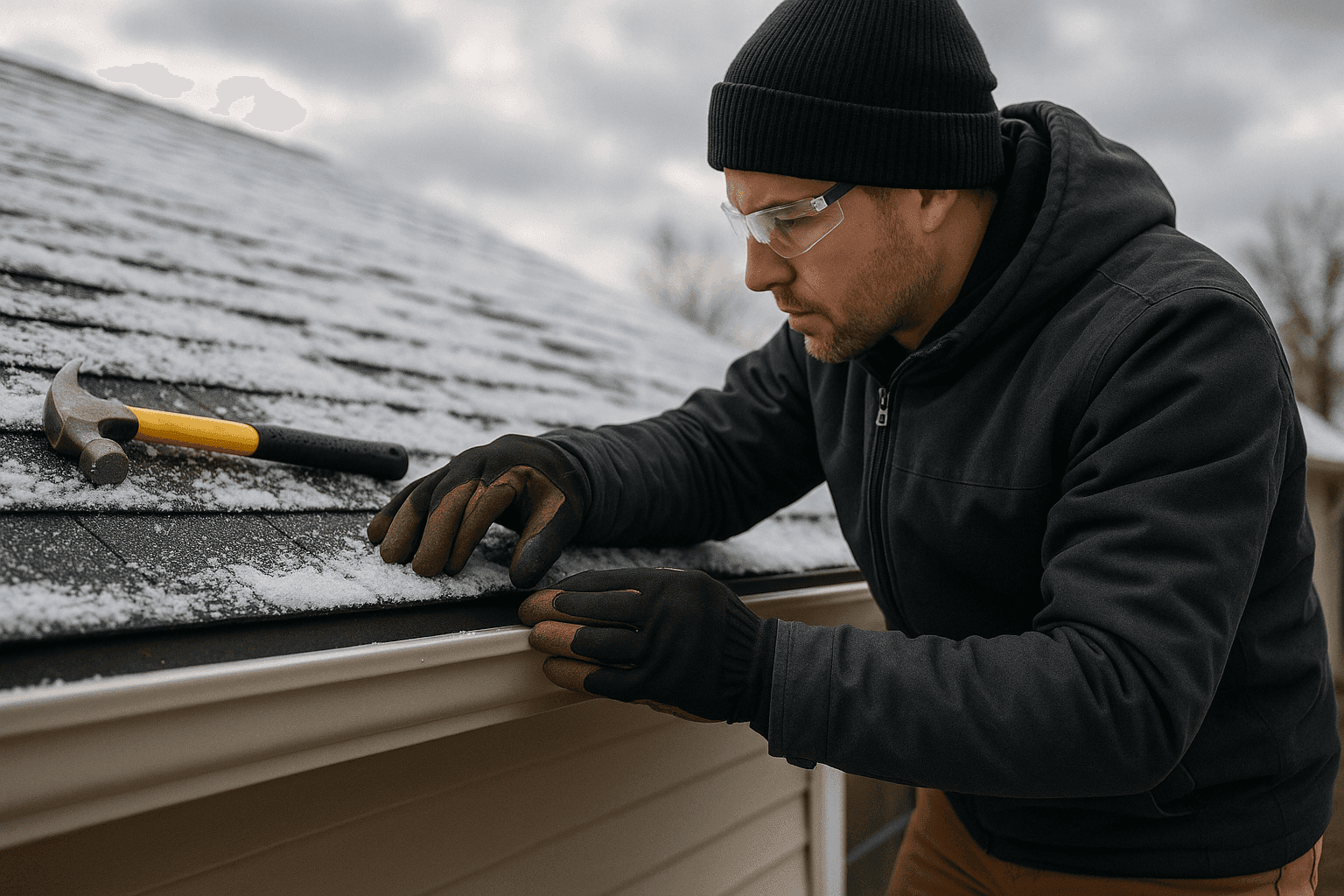
Winter storms can turn a solid roof into a leaky headache overnight. If you’ve ever watched snow pile up and wondered if your roof will hold, you’re not alone. Every year, homeowners and small business owners face the same challenge: keep the weather outside, where it belongs.
At Astute Roofing, we’ve seen it all—ice dams, wind-torn shingles, surprise leaks at the worst moments. Our team works around the clock to handle emergency roofing calls. But the best defense? Preparation. Let’s walk through what you can do now so winter doesn’t catch your roof off guard.
Common Winter Roof Issues: What’s at Stake? ❄️
Winter storms come with their own bag of tricks. The most common problems include:
- Ice dams: Thick ridges of ice that block melting snow from draining, causing water to back up under shingles.
- Heavy snow loads: Wet, heavy snow can stress your roof structure, especially on older homes or flat roofs.
- Freeze-thaw cycles: Water sneaks into tiny cracks, freezes, and expands—turning small gaps into big leaks.
- Wind-driven rain and snow: Strong gusts can lift shingles, expose flashing, and force moisture into vulnerable spots.
Ignoring these risks is like leaving your front door open during a blizzard. Let’s see how to spot trouble before it starts.
Winter Roof Inspection: What to Look For
A careful inspection is your first line of defense. You don’t need to climb onto the roof—many issues are visible from the ground or with binoculars. Here’s what to check:
- Shingles: Look for curling, cracked, or missing shingles.
- Flashing: Inspect metal strips around chimneys, skylights, and vents for rust or gaps.
- Gutters and downspouts: Check for blockages, sagging, or sections pulling away from the house.
- Attic interior: From inside, look for water stains, damp insulation, or daylight peeking through.
- Roof valleys: These are common trouble spots for snow and ice buildup.
If you spot any of these signs, it’s time to act—either with a DIY fix or a call to a professional.
Essential Maintenance Tasks Before Winter
Think of your roof like a shield. A little care now keeps it strong when storms hit. Here’s what you can do:
- Clean gutters and downspouts: Remove leaves and debris so melting snow can drain freely.
- Trim overhanging branches: Prevent limbs from scraping or falling onto your roof during storms.
- Seal small gaps: Use roofing sealant on minor cracks or nail holes. But skip anything major—leave those for the pros.
- Check attic insulation: Proper insulation keeps heat in and prevents ice dams by keeping the roof cold.
- Test ventilation: Make sure soffit and ridge vents aren’t blocked by insulation or debris.
Regular maintenance isn’t just about avoiding problems—it extends your roof’s lifespan and saves money in the long run.
Improving Roof Ventilation and Insulation for Cold Weather
A well-ventilated, well-insulated attic is the unsung hero of winter roof care. Here’s why:
- Prevents ice dams: Good airflow keeps your roof temperature even, stopping snow from melting and refreezing at the edges.
- Reduces condensation: Moisture trapped in the attic can lead to mold and wood rot.
- Saves energy: Proper insulation keeps your heating bills down.
DIY tip: Check that insulation covers the attic floor evenly, but doesn’t block vents. According to the U.S. Department of Energy, attic insulation should be at least R-38 for most homes. If you’re unsure, consult a professional for an assessment.
Protecting Gutters and Downspouts from Ice Damage 🧊
Gutters and downspouts are your roof’s escape route for water. When they freeze up, water finds its own way—usually inside.
What you can do:
- Install gutter guards: These keep out leaves and debris, reducing ice buildup.
- Slope gutters correctly: They should tilt slightly toward downspouts for smooth drainage.
- Add downspout extensions: Direct water at least three feet away from your foundation.
- Check for leaks: Use a hose to test for slow-draining or leaky spots before temperatures drop.
If you notice sagging or ice forming, don’t try to chip it away—it can damage the gutters. Instead, call a roofing professional for safe removal.
Emergency Preparedness for Winter Roof Leaks
Sometimes, even the best preparations aren’t enough. If water starts dripping in during a storm, here’s what to do:
- Contain the leak: Place buckets or towels under drips to protect floors and furniture.
- Relieve pressure: If you see a bulge in the ceiling, poke a small hole to let water drain—this prevents wider damage.
- Document the damage: Take photos for your insurance claim.
- Call for emergency roofing help: Temporary fixes can prevent further damage until repairs are made.
Having a plan—and a trusted emergency roofing contact—can make all the difference.
Quick Safety Checklist Before You Start
- Never climb onto a snowy or icy roof.
- Use a sturdy ladder on level ground, with someone nearby if possible.
- Wear non-slip shoes and gloves for better grip.
- Avoid electrical wires and power tools in wet conditions.
- If you feel unsafe or unsure, stop and call a professional.
Your safety matters more than any repair.
DIY Roof Care vs. Calling a Professional
Some tasks are safe for handy homeowners; others demand a pro’s experience.
DIY-friendly:
- Clearing gutters and downspouts
- Inspecting from the ground
- Sealing tiny gaps with roofing caulk
- Checking attic insulation and ventilation
Call a pro for:
- Missing or damaged shingles
- Flashing repairs
- Ice dam removal
- Structural concerns (sagging, bowing, or visible damage)
- Persistent leaks
If you’re ever in doubt, it’s better to call than risk injury or bigger problems.
What Astute Roofing Pros Do When They Arrive
When you call in Astute Roofing for emergency roofing or a winter prep checkup, here’s what you can expect:
- Thorough inspection: We assess every layer—shingles, flashing, gutters, attic, and structure.
- Moisture detection: Using specialized tools, we find hidden leaks before they cause major damage.
- Temporary patching: For emergencies, we apply fast, effective solutions to stop water intrusion.
- Clear communication: We explain findings and next steps in plain language, so you know exactly what’s happening.
- Long-term solutions: From ventilation upgrades to full replacements, we recommend only what’s truly needed.
Our team follows guidelines from the National Roofing Contractors Association (NRCA) and Occupational Safety and Health Administration (OSHA) for every job.
Prevention and Maintenance: The Key to Fewer Emergencies
Preventative maintenance is like regular oil changes for your car. It keeps your roof running smoothly, even in the harshest weather.
Benefits of regular care:
- Fewer emergency calls and costly repairs
- Longer roof lifespan
- Better energy efficiency
- Peace of mind all winter long
Set a reminder to schedule a professional inspection every fall. It’s a small step that pays off big.
Costs and Time Factors: What to Expect
Roof care doesn’t have to break the bank. Here’s what typically affects cost and timing:
- Inspection: Usually takes 1–2 hours; costs vary by roof size and complexity.
- Minor repairs: Small fixes like sealing cracks or replacing a few shingles can often be done in a single visit.
- Major repairs or replacement: These require more time, materials, and planning—especially in winter, when weather can slow things down.
- Emergency roofing services: May carry higher costs due to urgency and after-hours work.
Remember, investing in prevention is almost always cheaper than fixing damage after a storm.
When It’s an Emergency
Certain roof problems can’t wait:
- Active leaks during a storm
- Sagging roof deck or ceiling
- Large areas of missing shingles
- Ice dams causing water intrusion
- Debris or tree limbs on the roof
If you see any of these, act fast. Immediate attention can prevent thousands in further damage.
Winter Roofing FAQ
How often should I inspect my roof in winter?
Ideally, inspect before the first snowfall and after major storms. If you hear dripping or see stains, check right away.
What’s the safest way to remove snow from my roof?
Use a roof rake with a long handle while standing on the ground. Never climb on a snowy roof.
Can I prevent ice dams myself?
You can reduce risk by keeping gutters clean, improving attic insulation, and using roof-safe ice melt products. But persistent ice dams may need professional solutions.
How do I know if my attic is properly ventilated?
Look for clear soffit and ridge vents, no signs of mold or moisture, and even temperatures throughout the attic. A professional can measure airflow if you’re unsure.
Special Considerations for Winter Roofing Services
Winter work comes with unique challenges:
- Slippery surfaces: Safety is the top priority—some repairs may need to wait for better weather.
- Material handling: Shingles and sealants can behave differently in the cold.
- Scheduling: Weather delays are common, so plan ahead and be flexible.
Astute Roofing’s teams are trained for winter conditions. We use proven techniques and materials designed to withstand freezing temperatures.
Winter storms don’t have to spell disaster for your home or business. With a little preparation and the right help, you can keep your roof strong all season long.
Call Astute Roofing now — or reach us anytime at 888-805-2558 .