Roof Flashing Repair: Stop Leaks Before They Start
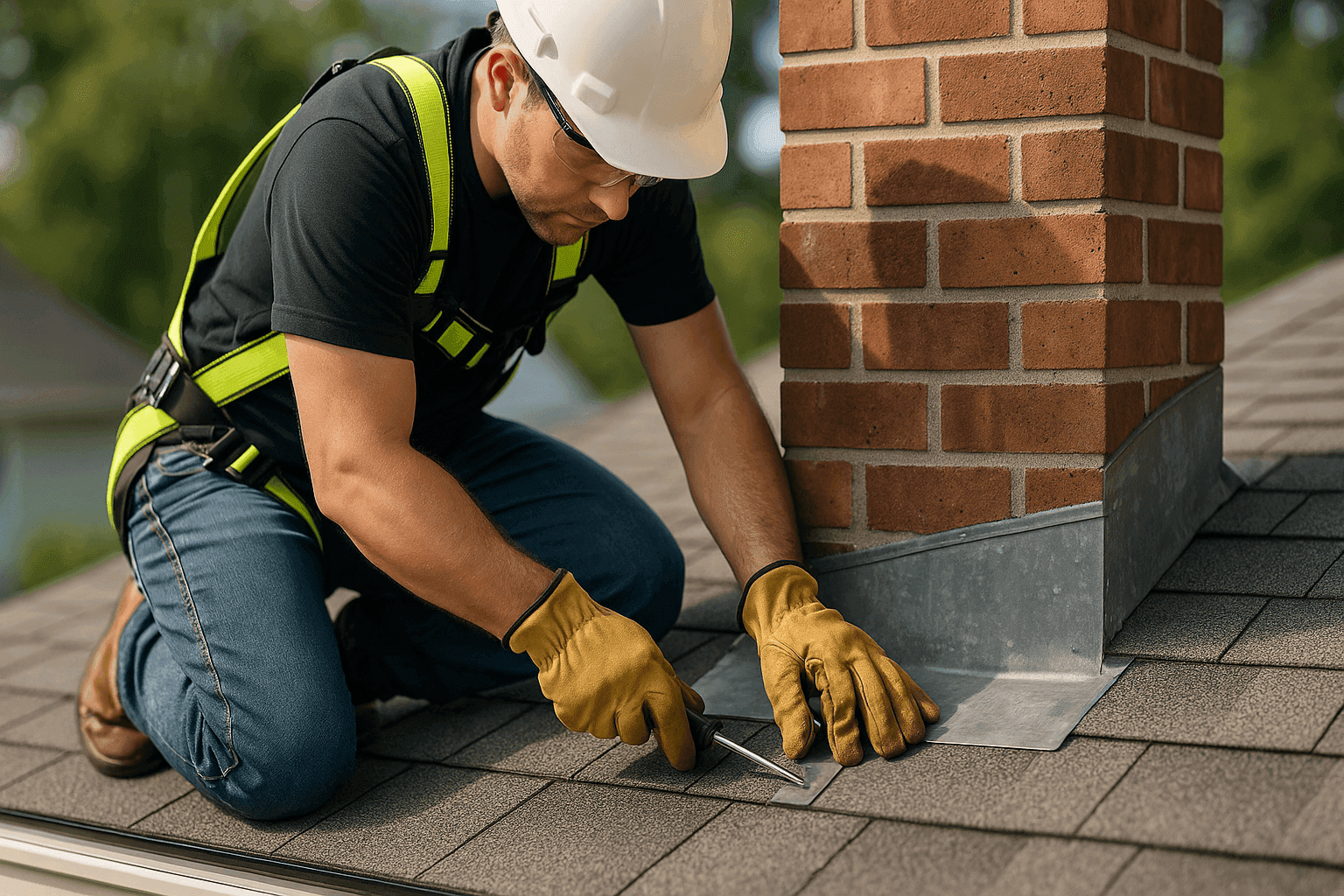
A steady drip. The musty scent of wet insulation. Water stains that seem to appear overnight. For many homeowners, a leaking roof arrives like an uninvited guest—fast, destructive, and expensive to ignore.
At Astute Roofing, we know that most leaks don’t start with missing shingles. They start with small, hidden failures—often in the flashing. Let’s break down what flashing is, how to spot trouble early, and why a prompt repair is the difference between a quick fix and a full-blown emergency roofing call.
What is Roof Flashing? 🔍
Think of flashing as your roof’s raincoat. It’s thin metal—often aluminum, galvanized steel, or copper—tucked tightly around chimneys, valleys, vents, skylights, and any place two surfaces meet. Its job? Direct water away from vulnerable seams, just like gutters guide rain off your roof.
Where you’ll find flashing:
- Chimneys: Sealed at the base to stop water seeping into brickwork.
- Valleys: Where two roof slopes intersect, channeling runoff.
- Vents & Skylights: Protecting penetrations from wind-driven rain.
- Edges & Walls: Along eaves, dormers, and sidewalls.
Types of roof flashing:
- Step flashing: Layered shingles and flashing, used along walls.
- Continuous (apron) flashing: Long single pieces, mostly for eaves.
- Counter flashing: Installed over base flashing for extra defense.
- Drip edge: Runs along the roof edge to push water into gutters.
Installed right, flashing is almost invisible. But when it fails, it can turn a small drip into a major headache.
Signs of Flashing Trouble 🛑
Most flashing problems start small—until they aren’t. Here’s what to look for:
- Rust or corrosion: Orange stains or pitted metal signal trouble, especially on older roofs.
- Gaps and cracks: Flashing should hug the surface. Even a hairline gap can let in water.
- Water stains: Dark marks on ceilings or walls near chimneys, skylights, or vents.
- Loose or missing sections: Flashing should never rattle in the wind.
- Mold or mildew: Musty odors in the attic or along rafters.
Like a frayed shoelace, even a tiny break in flashing can unravel fast during the next storm.
How Flashing is Repaired or Replaced
DIY or Call a Pro?
Some repairs seem simple—just a dab of sealant, right? Not always. Here’s what to consider:
DIY fixes:
- Okay for minor resealing with roofing cement.
- Temporary at best; can mask bigger problems.
- Safety risks: Roof work is hazardous without proper gear and experience.
Professional repairs:
- Licensed contractors use code-compliant materials (refer to the International Residential Code, Section R903.2).
- Remove old flashing, check for hidden water damage, and install new flashing using approved nails and sealants.
- Test for leaks before leaving the site.
Materials & Techniques
- Metal selection: Aluminum is common for its rust resistance. Copper lasts longest but costs more. Galvanized steel is durable but can rust if scratched.
- Installation: Flashing is layered under shingles and sealed tight at seams. Overlapping joints shed water like shingles on a roof.
- Sealants: High-grade roofing cement or urethane caulk is used, never plain silicone.
Pro tip: A quick patch may stop a leak for now, but proper flashing replacement is the only long-term fix.
Preventing Future Flashing Leaks 🛡️
The best leak is the one you never get. Prevention is simple, but it takes consistency.
Regular Inspections
- Twice a year: Spring and fall are ideal.
- After major storms: Check for displaced flashing or damage from flying debris.
- Using binoculars: Scan your roof from the ground for visible gaps or rust.
Maintenance Tips
- Keep gutters clear: Clogged gutters overflow, forcing water under flashing.
- Trim nearby trees: Branches can lift or scratch flashing during storms.
- Sealant touch-ups: If you spot cracks, use a high-quality roofing sealant as a stopgap until repairs are made.
Remember: Early detection and small repairs cost a lot less than fixing soaked insulation or structural rot.
When to Call Emergency Roofing Services
Sometimes, waiting isn’t an option. If you notice:
- Active leaks during a storm
- Sagging ceilings or bubbling paint
- Large sections of flashing missing or peeled back
Call emergency roofing help right away. Water spreads fast. The longer you wait, the higher the risk of major interior and structural damage.
Licensed Contractor Advice
Roof work is not just about skill—it’s about safety and building codes. Astute Roofing’s crews are fully licensed and trained to spot hidden water damage, use proper harnesses, and select flashing materials that meet or exceed local building regulations.
We recommend referencing state and local codes, as well as resources like the National Roofing Contractors Association (NRCA) for best practices.
How Long Does Flashing Repair Take? What Will It Cost?
- Simple resealing: As little as 30 minutes for a small section.
- Full replacement: 2–4 hours for a chimney, longer for valleys or multiple penetrations.
- Costs vary: Based on material, roof height, and extent of hidden damage. Emergency calls or structural repairs may increase the price.
Always request a written estimate. Ask about the materials being used and if the repair is warrantied for materials or workmanship.
Roof Flashing FAQ
Q: Can I paint over flashing to prevent rust?
A: Only if the flashing is designed for it. Use roofing-specific metal paint. Paint won’t fix deeper corrosion.
Q: How long does new flashing last?
A: Aluminum and galvanized steel can last 15–30 years; copper can last 50+ years with proper care.
Q: Will insurance cover flashing repairs?
A: Sometimes, if the damage is storm-related. Check your policy for specifics.
Q: Is flashing repair included in a standard roof inspection?
A: Yes, professional inspections always check flashing as a priority.
Local & Seasonal Considerations 🏠
In areas with heavy rains, snow, or frequent storms, flashing takes a beating. Humid climates speed up rust. Windy seasons can lift loose flashing, exposing seams.
If you live in an older home or one with multiple rooflines, schedule more frequent inspections. Ask your contractor about modern upgrades like eco-friendly flashing options or integrated sealants.
The Bottom Line
Roof flashing is the unsung hero of your home’s defense. Catching small problems early is the best way to avoid costly water damage and emergency roofing headaches. Whether you need a quick checkup, a full repair, or advice on Ventilation & Insulation near you, Astute Roofing is ready to help.
Call Astute Roofing now — or reach us anytime at 888-805-2558 .